Labs
Electrotherapy laboratory
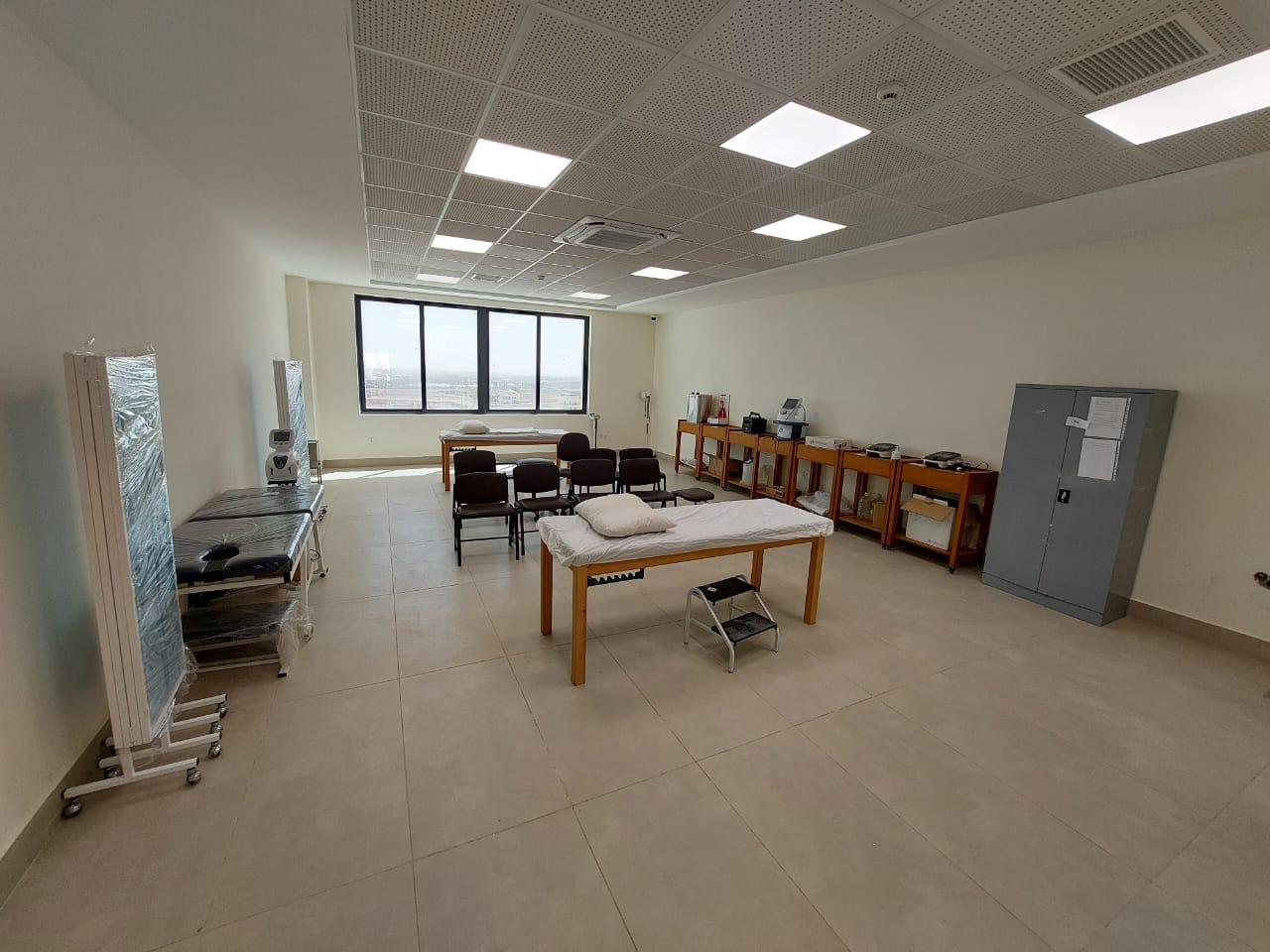
The Electrotherapy Lab is a fundamental component of physiotherapy departments. Its purpose is to evaluate and treat patients using electrical currents and various physical devices to improve function and reduce pain.
✅ First: Contents of the Electrotherapy Lab
1) Electrotherapy Devices
This includes a wide range of devices used for various purposes, including:
A. Low-Frequency Current Devices (TENS - EMS)
• TENS device for pain relief.
• NMES/EMS device for stimulating weak muscles.
• IFT (Interferential Therapy) device for pain and inflammation relief.
B. Medium and High-Frequency Current Devices
• Russian stimulation for muscle strengthening.
• High-voltage pulsed stimulation (HVPS) for reducing edema and promoting healing.
C. Ultrasound Therapy Devices
• For deep tissue therapy, improving blood circulation, and reducing inflammation.
D. Therapeutic Laser Devices (LLLT – Low Level Laser Therapy)
• For cell stimulation, pain relief, and accelerating tissue healing.
E. Shockwave Therapy Devices
⸻
2) Heat and Cold Therapy Devices
• Hot packs
• Paraffin wax
• Infrared lamps
• Cryotherapy (ice packs, cold compress)
⸻
3) Mechanical Devices
• Traction machine (for neck and back)
• Vacuum electrodes (depending on the device)
⸻
4) Assessment and Measurement Tools
• Dynamometer
• Pain Assessment Devices
• Surface Sensitivity Measurement
• Basic Nerve Conduction Testing
⸻
5) Safety and Comfort Equipment
• Electric or conventional treatment beds
• Cables and electrodes in all sizes
• Sterilization and disinfectant equipment
• Warning and electrical safety signs
• Patient evaluation files and records
⸻
✅ Second: The Importance of the Electrotherapy Laboratory
1) Pain Reduction
Electrotherapy is considered one of the most effective non-pharmacological methods for relieving acute and chronic pain:
• Lower back pain
• Neck pain
• Neuritis
• Joint pain
• Post-operative pain Surgical
⸻
2) Improving Tissue Healing
Some devices, such as lasers and HVPS, help with:
• Wound healing
• Reducing swelling
• Stimulating blood circulation and cellular processes
⸻
3) Strengthening and Rehabilitating Muscles
NMES and Russian stimulation devices:
• Stimulate weak muscles
• Prevent atrophy after fractures or surgeries
• Used in conjunction with physical therapy exercises
⸻
4) Improving Mobility and Flexibility
Deep heat (ultrasound) and hot packs help with:
• Increasing tissue elasticity
• Facilitating joint exercises
• Reducing muscle and joint stiffness
⸻
5) Supporting the Treatment of Neurological Conditions
Such as:
• Hemiplegia
• Peripheral nerve injuries
• Muscle re-education
⸻
6) An Essential Part of Patient Assessment
Some devices help with:
• Assessing muscle strength
• Evaluating neurological response
• Monitoring treatment progress
Musculoskeletal Physiotherapy Laboratory
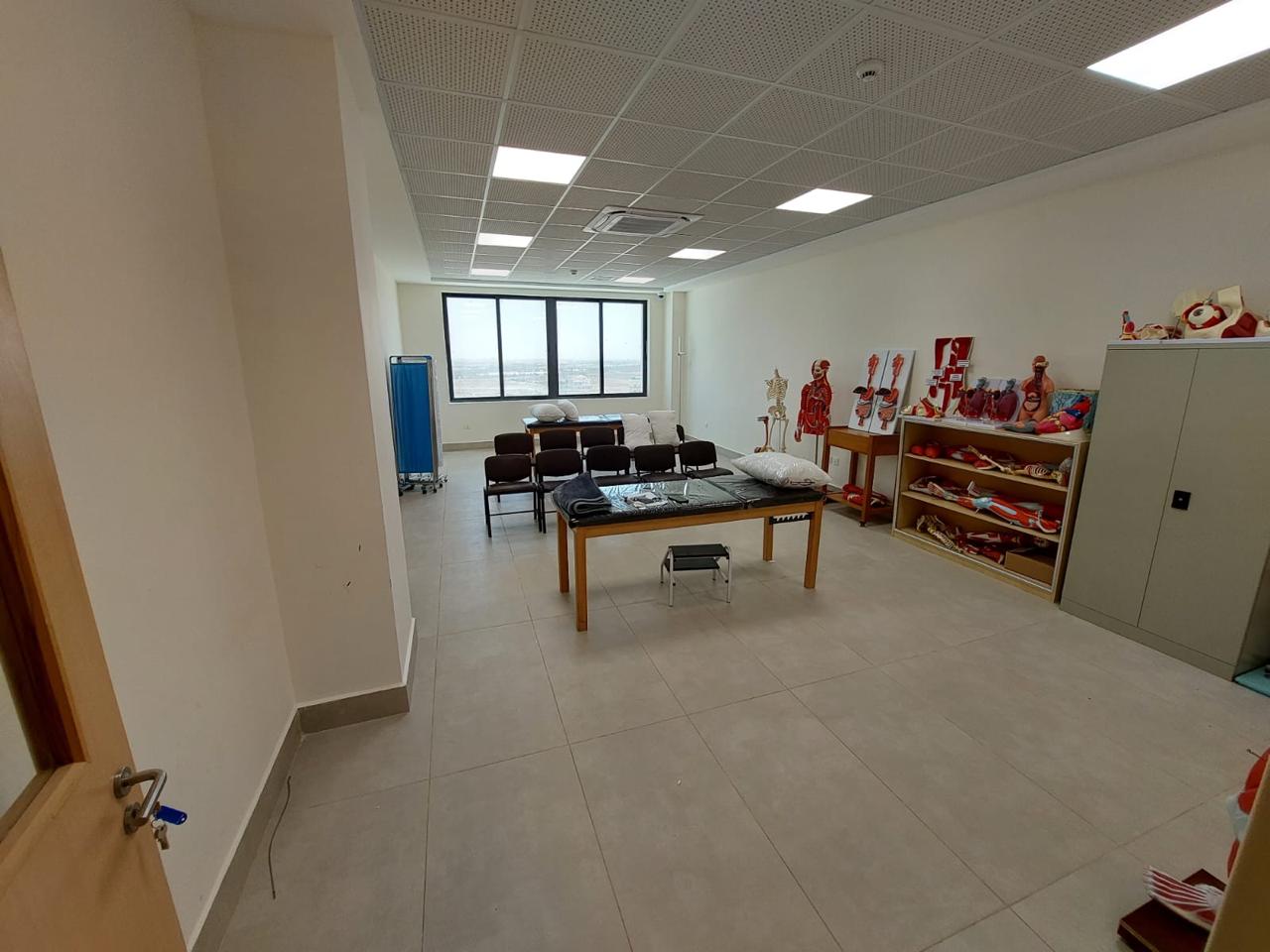
Laboratory objective: the laboratory aims to provide an educational environment for skills in physical and movement therapy. The laboratory provides an environment for students to practice basic assessment and treatment skills, which include assessment skills, measuring the range of motion of joints, muscle strength, walking, and evaluating vital signs. The laboratory also aims to develop the skills of manual therapy, rehabilitation after orthopedic surgeries, and other injuries of the musculoskeletal system. The student also practices in the laboratory the skills necessary for therapeutic exercises, including aerobics, strength, flexibility, balance, training of the basic muscles of the body, and stimulation techniques to facilitate movement. Laboratory contents include kinesiometers, devices for measuring muscle strength, and devices for therapeutic exercises.
Neurology Physiotherapy Laboratory
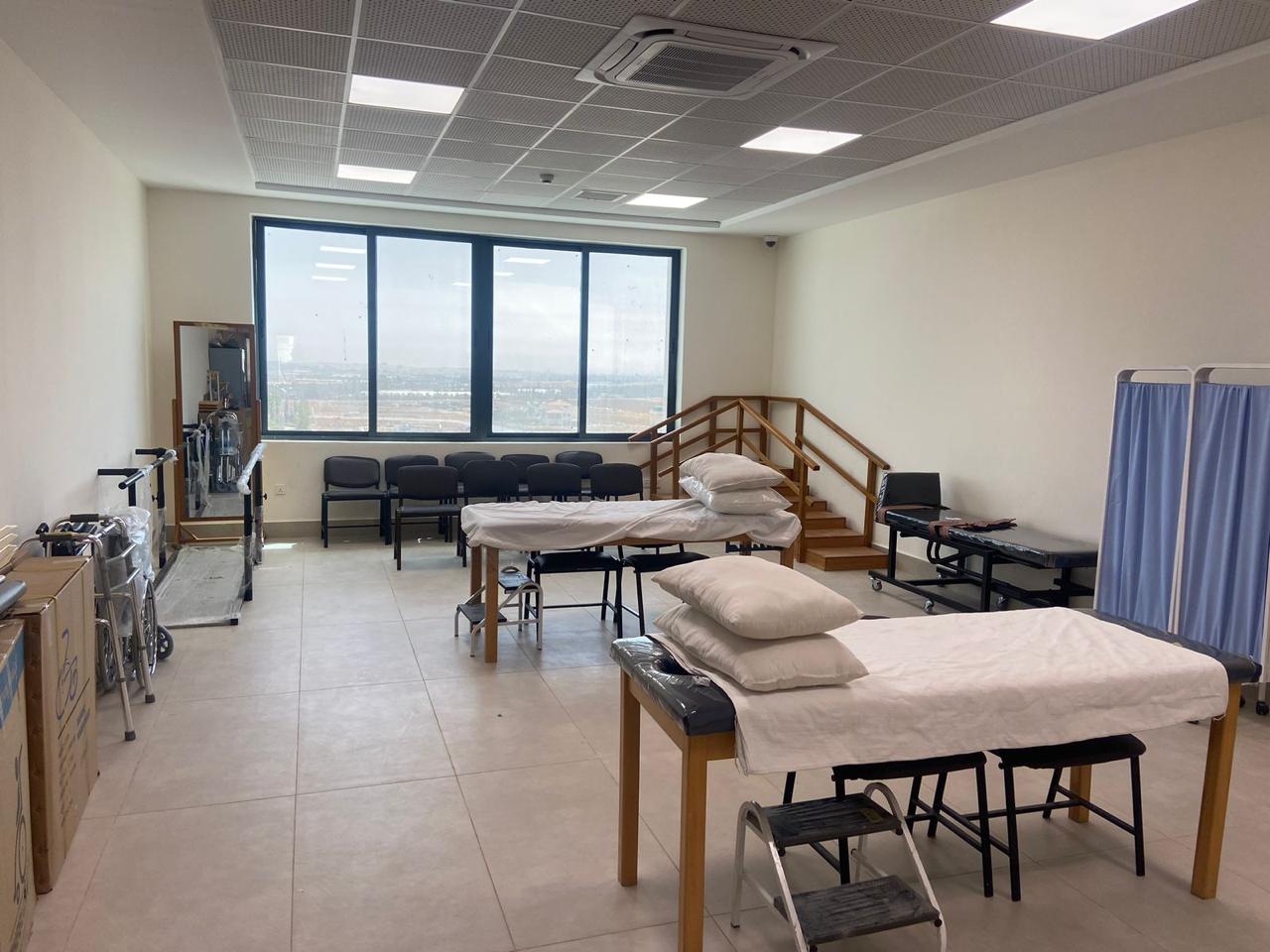
Laboratory objective: the laboratory is used to train students on motor skills, and sensory, central, and peripheral nervous assessment. In addition, various skills of neurorehabilitation are taught, commonly used treatment methods, and electrotherapy.Laboratory contents: muscle strength assessment devices, cervical and lumbar stretching devices, electrotherapy, and neurological devices. Neurostimulation devices.
Pediatric Physiotherapy Laboratory
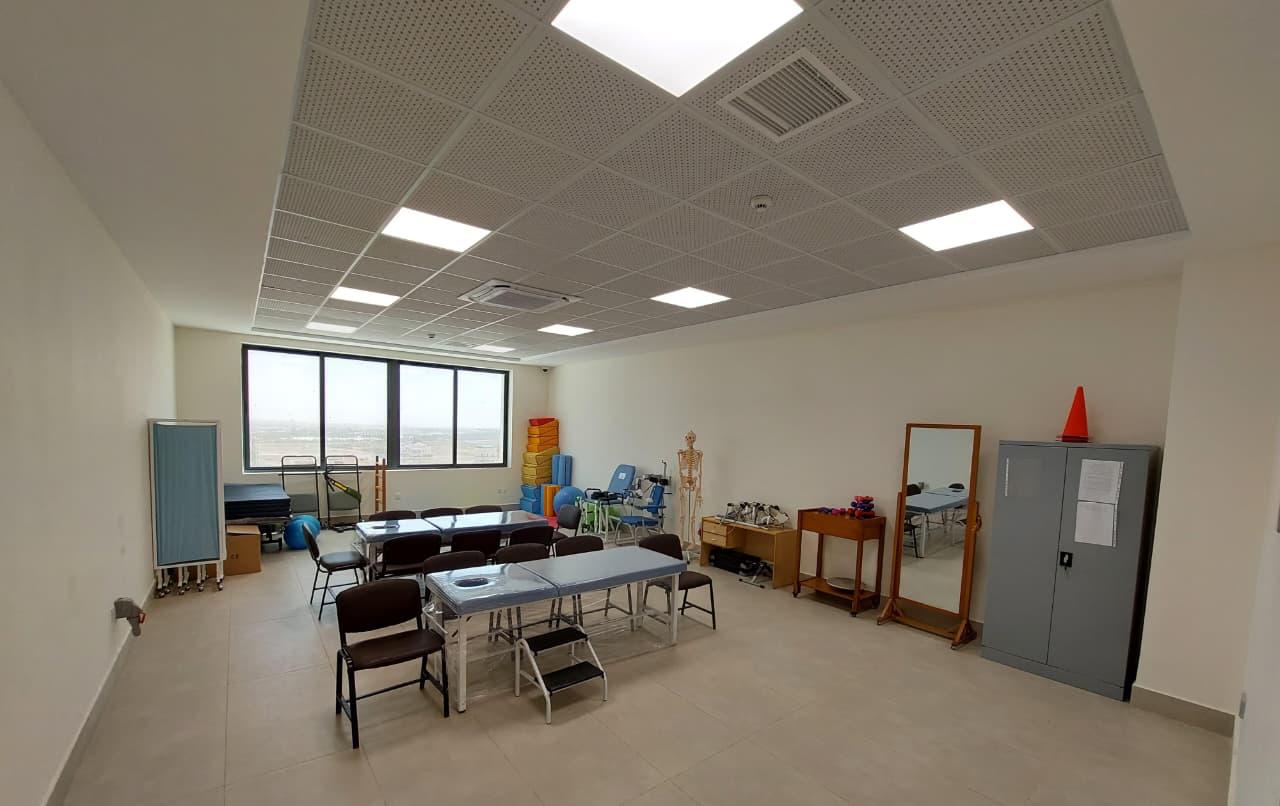
The Pediatric Physical Therapy Lab is a specialized environment equipped to assess and treat children from birth through adolescence, taking into account their developmental, motor, and psychological needs.✅ First: Contents of the Pediatric Physical Therapy Lab1) Developmental and Motor Assessment ToolsUsed to assess a child's growth and motor skills:• Motor development tests (such as GMFM, Peabody)• Measuring tapes for height, head circumference, and limb circumference• Goniometers for measuring range of motion• Dynamometers for measuring strength• Balance and functional ability assessment tools⸻2) Gross Motor Skills Exercise Equipment• Therapy balls (Swiss balls)• Balance boards and foam pads• Mini parallel bars• Steps and small ladders• Therapy cushions in various shapes (Wedges – Bolsters)• Ramps for assisting children with CP or slow walking• Large floor mats (Mat therapy)⸻3) Electrotherapy Devices Appropriate for Children(Used with extreme caution and according to age)• TENS currents for mild pain• NMES for stimulating weak muscles• Ultrasound (at low doses) when neededUsually, the use of devices is reduced, and more emphasis is placed on exercise, therapeutic play, and sensory stimulation.⸻4) Occupational Therapy and Sensory Integration Equipment• Sensory swing• Jumping balls• Sensory paths• Vibrating toys to stimulate proprioception• Textured boards• Light and sound toys to stimulate focus and attention⸻5) Gait Training Equipment• Walkers (various types)• Crawl tunnel• Gait trainer for children with severe disabilities• Standing frame to help children stand• Treadmill with body weight support⸻6) Therapeutic Play Equipment• Colorful educational toys• Building blocks• Balance toys• Cause and effect toys• Toys that encourage crawling, rolling, and walking⸻7) A safe and comfortable therapeutic environment• Anti-slip foam flooring For trauma• Protective barriers• Small treatment tables• Large mirrors for monitoring movement• Appropriate lighting• Sterilization and protective equipment⸻✅ Second: The Importance of the Pediatric Physical Therapy Lab1) Supporting motor and developmental progressThe lab helps in:• Improving gross motor skills (sitting, standing, walking)• Enhancing fine motor skills• Supporting sensory and cognitive development⸻2) Treating common neurological conditions in childrensuch as:• Cerebral palsy (CP)• Delayed motor development• Muscular dystrophies• Congenital brachial plexus injuries• Autism and sensory integration disorders• Post-splint and post-dislocation cases⸻3) Improving balance and coordinationThrough balance equipment, swings, and sensory integration tools, which helps in:• Improving trunk control• Increasing stability• Enhancing the ability to walk and play⸻4) Supporting independenceThe lab contributes to:• Improved walking• Support for self-care skills• Improved achievement of daily motor goals⸻5) Enhancing the therapeutic play environmentChildren learn through play, therefore:• The lab facilitates the application of therapy in an enjoyable way• Increases the child's acceptance and commitment• Supports behavioral and psychological therapy⸻6) Comprehensive assessment of the child's conditionThe lab provides tools to measure:• Motor development• Functional abilities• Strength and flexibility• Balance• SensitivityThis helps in designing a precise treatment plan.
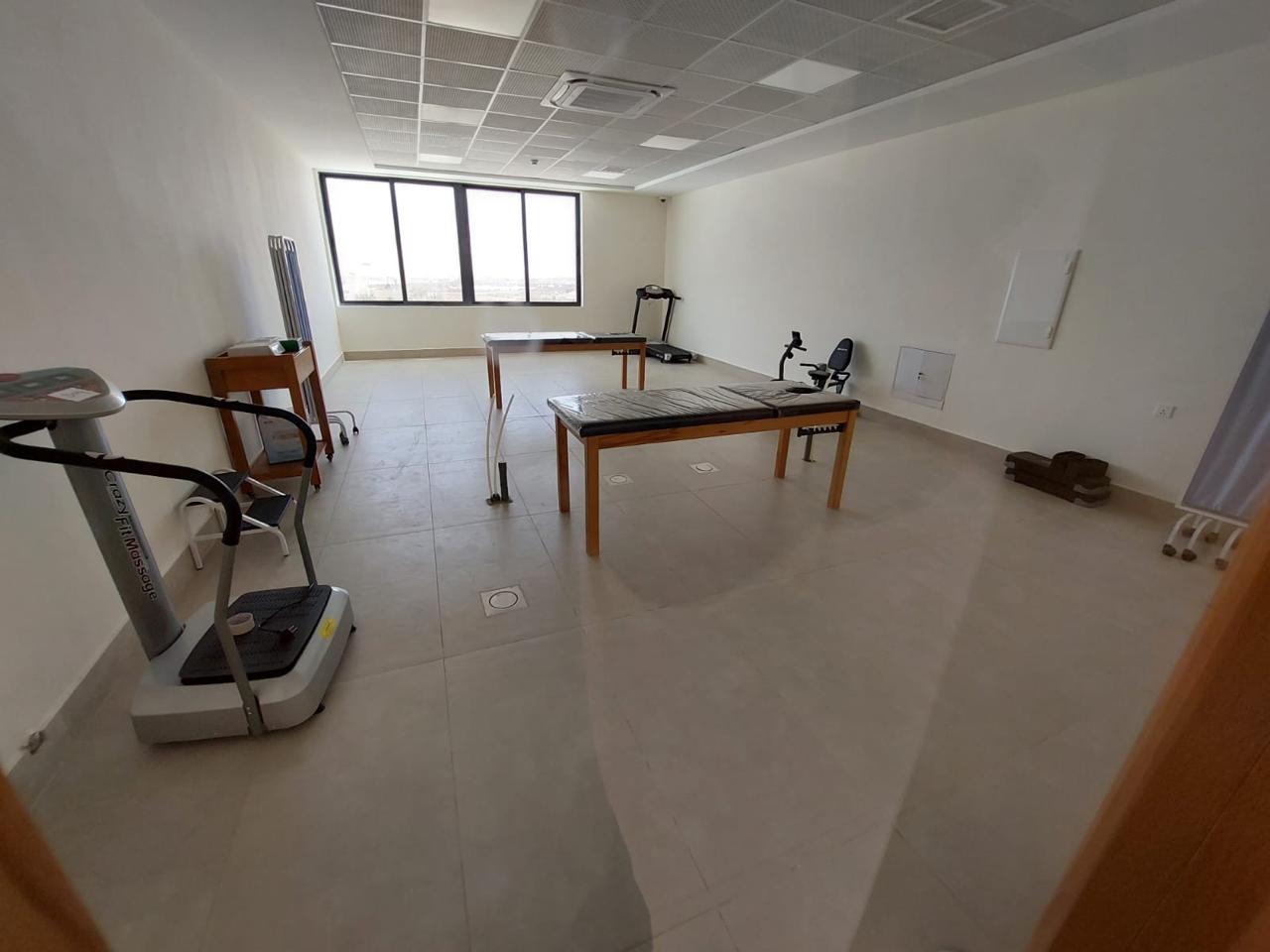
The Kinesiology & Biomechanics Lab is one of the most important laboratories in physiotherapy. It is used to accurately understand and analyze human movement, diagnose movement problems, and develop treatment and rehabilitation programs based on scientific measurements, not just clinical observation.
Here is a comprehensive and organized overview of the lab's contents and importance:
⸻
✅ First: Contents of the Kinesiology & Biomechanics Lab
1) Motion Analysis Systems
Used to examine body movement with three-dimensional accuracy:
• 3D Optical Motion Capture Cameras
• Markers (body markers tracked by cameras)
• Motion capture software for data analysis
⸻
2) Force Plates
Devices that measure:
• Ground Reaction Force (GRF)
• Balance
• Weight Distribution
Used to assess walking, standing, and jumping.
⸻
3) Electromyography (EMG) Devices
Used to measure the electrical activity of muscles:
• Surface EMG
• Wireless EMG
• Muscle analysis and inactivity/weakness assessment software
Helps determine:
• Which muscles are working during movement
• Muscle timing
• Motor and neurological disorders
⸻
4) Gait Analysis System
Consists of:
• Cameras
• Force platforms
• Gait cycle analysis software
• Tools for assessing stride length, walking speed, and balance
⸻
5) Muscle Strength Measurement Devices
• Handheld Dynamometer
• Isokinetic dynamometer (if available) for measuring various force types:
• Isovelocity
• Isolength
• Isotonic
⸻
6) Range of Motion and Flexibility Measurement Tools
• Goniometers
• Inclinometers
• Measuring tapes
• Posture assessment tools
⸻
7) Analysis Tools Posture Analysis
• Camera systems
• Posture grids
• Posture analysis software
• Mirrors
⸻
8) Balance and kinesiology training devices
• Biodex Balance System
• Foam pads
• Balance boards
• Stabilometry systems
⸻
9) Mobility aids
For analyzing mechanics during use:
• Walkers
• Crutches
• Joint support devices
⸻
10) Motion data recording devices
• High-speed video cameras
• Sensors such as IMUs (Inertial Measurement Units)
• Pressure mapping systems